Are old aluminum frying pans safe to use?
by Karine Lemoine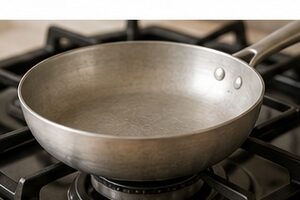
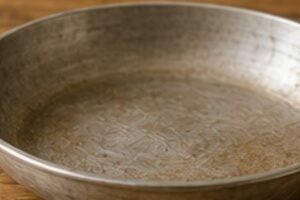
Many kitchens keep an old aluminum pan, inherited or purchased years ago. Over time, its surface tarnishes, scratches, and sometimes slightly prickles: should we be worried?
The question of aluminum in cooking comes up regularly, between raw material and anodized versions, which are more resistant.
Table of Contents
Here is the difference between untreated and anodized aluminum, what we know about dietary exposure to aluminum, and how to use this type of pan safely.
Raw aluminum and anodized aluminum: what is the difference?
Raw (or untreated) aluminum is a relatively reactive metal: it can slightly dissolve in contact with acidic foods (tomatoes, vinegar, citrus fruits) or salts, especially in a pan that is scratched or stung by corrosion. It is this type of aluminum that is found in the oldest or cheapest stoves.
Anodized aluminum has undergone an electrochemical treatment that creates a protective oxide layer on its surface, making the metal much more stable, corrosion resistant, and less reactive with acidic foods. Most modern aluminum cookware uses this process, or covers the aluminum with a nonstick coating that insulates the metal from direct contact with food.
What does research say about dietary exposure to aluminum?
Aluminum is a metal that is very naturally present in the environment, water and many foods: our daily diet already contains it, regardless of cooking utensils. Cooking in an aluminum skillet can add a small amount of extra, especially with acidic or salty foods that have been cooked for a long time.
Health authorities (including the European Food Safety Authority) have established a tolerable weekly dose of aluminum, and the quantities from cooking generally remain very low compared to those from food and certain products such as antacids or deodorants.There is no scientific consensus that the normal use of an aluminum pan poses a proven danger to a healthy adult.
That said, a very damaged raw aluminum pan, deeply scratched or pricked by corrosion, releases more metal than a pan in good condition: this is where caution makes sense.
How to use an old aluminum skillet calmly
If the pan is in good overall condition, with no visible corrosion or deep pitting, occasional or regular use is not a particular cause for concern. On the other hand, it is reasonable to avoid cooking or letting very acidic preparations (tomato sauce, vinaigrette) sit for a long time directly in an untreated aluminum pan.
Our tips
►Inspect the condition of the surface regularly
Numerous pitting, whitish corrosion or deep scratches are a signal that it is time to replace the pan rather than continue to use it.
►Avoid keeping acidic foods there
Do not let tomato sauce or vinegar mixture sit for several hours in an untreated aluminum pan. Transfer it to a glass or stainless steel container for storage.
►Choose anodized aluminum for intensive use
If you often cook acidic or simmered dishes, an anodized or coated pan offers better stability over time than raw aluminum.
An old aluminum pan in good condition does not present any particular risk for everyday use; it is mainly its surface condition, and not its age, that should guide the decision to keep or replace it.
You can also read:Whether the hard-anodized aluminum casserole is safeandHow do you know when to throw away a nonstick skillet.
Do not hesitate to leave a comment!
For more information and to receive our news, follow us on social networks!
Comments on Are old aluminum frying pans safe to use?