Is stainless steel good for your health? 5 criteria for choosing the right frying pan!
by Karine Lemoine
To remember:
 Certified 18/10 stainless steel is ideal for choosing your cookware.
Cooking with stainless steel is not toxic for the body.
Stainless steel is easy to maintain for better food hygiene.
The uncoated stainless steel pan is durable over time.
For us consumers, food safety in the use of domestic cooking equipment is one of our concerns.
In particular, we can question the use of metal utensils and especially pots and pans made of stainless steel.
Sommaire
The diversity of ranges of stainless steel cookware on the market leads to a difference in quality and it is sometimes difficult to sort out.
Stainless steel, real stainless steel, also called stainless steel, is certainly one of the healthiest materials for cooking food. You still have to make no mistake about the goods!
Let's discover the many advantages of stainless steel, how to choose quality stainless steel and the precautions for use to protect ourselves from potential dangers to our health.
5 criteria to recognize if it is a good stainless steel
1. Identify stainless steel by its color
You can easily identify a copper saucepan by its orange color or a cast iron pan by its matt black color or its weight, for stainless steel it is a little less so!
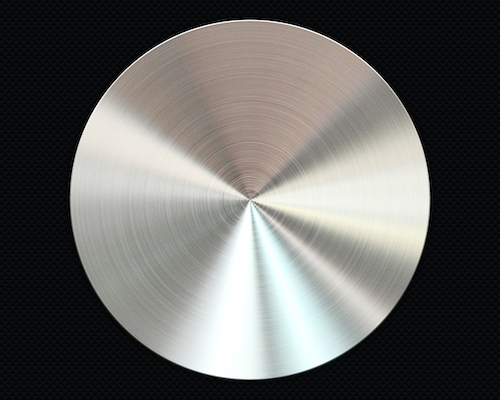
Stainless steel has a silver metal color with a more or less brilliant shade depending on its finish but it can very well be confused with other steels such as iron or aluminum.
The color of the material is a first sign to know if it is stainless steel but it is not enough.
However, aluminum utensils should be avoided, which can easily look like stainless steel.
Aluminum is a very light alloy, made from alumina, which is appreciated by manufacturers because it is inexpensive to manufacture.
However, this component, in high doses, is neurotoxic to the body.
2. Differentiate the types of stainless steel
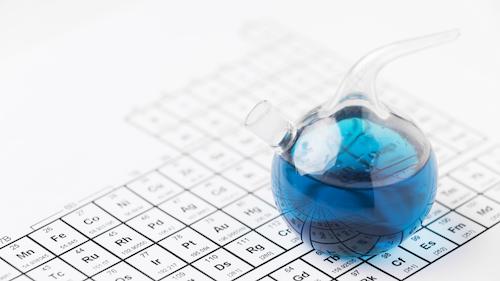
There are different varieties of stainless steel depending on the chemical composition because stainless steel is composed of an alloy of different metals.
The choice of metals and the quantity used in the manufacture of a stainless steel pan will define the quality of stainless steel.
At its core, stainless steel is composed of iron and carbon, which is called steel.
If chromium, a component which has the property of being anti-corrosive, is added to this base, stainless steel is then obtained.
STAINLESS STEEL = IRON + CARBON + CHROME
Any other additional component that can be added to this stainless steel alloy will provide additional properties depending on the use of the product.
If it is not stainless steel, the pan will be made of steel, i.e. iron and carbon. You should know that steel is oxidizable in contact with humidity in the air or water unlike stainless steel.
If you invest in a steel pan, your cookware will rust over time.
Rust is not directly toxic at low doses, however, the utensil is not hygienic to prepare your food safely. It is important to avoid any proliferation of bacteria that may permeate into micro-cracks.
That's why choosing a stainless steel skillet or Dutch oven is essential.
3. Choosing certified food-grade stainless steel
 Stainless steel, which is the alloy formula with chromium, is generally used to make stainless steel utensils for food.
Thanks to the chrome component, a protective layer like a varnish is naturally formed that will protect the utensil from rust.
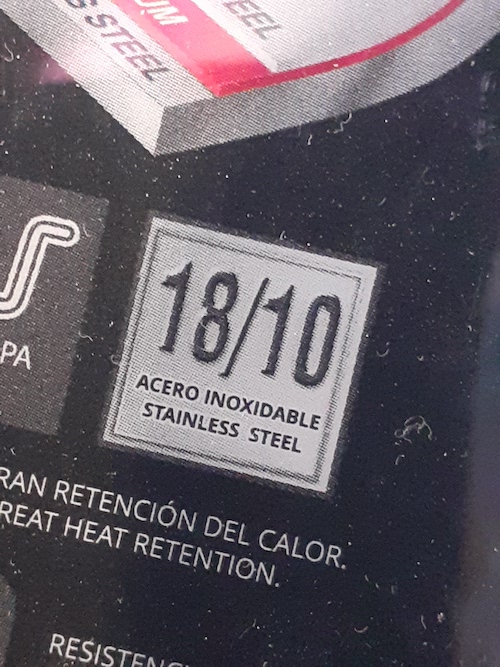
In stores, stainless steel can be easily identified using 3 logos “18/10”, “18/8” or 18/0”.
18/10 stainless steel contains 18% chromium and 10% nickel. The composition is ideal for making stoves, stewpots and pans. Nickel provides better heat resistance.
18/8 stainless steel contains 18% chromium and 8% nickel. The composition is more suitable for kitchen knives, for example. The lower amount of nickel makes it possible to obtain a softer material so that the knife can be sharpened more easily.
18/0 stainless steel does not contain nickel. It is used for cutlery that is not naturally subjected to high heat. Some people may be allergic to nickel. In order to avoid the risk of allergies, you should check the manufacturer's logo.
4. Opt for quality stainless steel
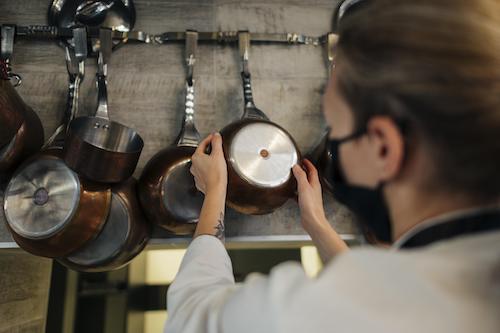
There are various price ranges for stainless steel on the market. They generally correspond to the quality of the product and to the type of material used.
The higher the quality of the material, the more it will consist of alloys of noble materials such as nickel but also mobydbene, copper or titanium which will improve the chemical composition of stainless steel.
Tungsten will be an ideal material for stainless steel utensils compatible with all fires including the oven because it has the property of improving resistance to high temperatures.
5. Cooking with stainless steel induction, an indicator of quality
Stainless steel, compatible for induction stovetops,is, as a rule, more qualitative, and you will be sure to invest in good equipment.
To operate stoves on an induction plate, they must be equipped with a magnetic base.
This thick base is generally composed of stainless steel in which one or more layers of aluminum are enclosed in order to make the utensil magnetic.
Don't worry, aluminum is not in direct contact with food, so there is no risk of toxicity.
What are the risks of poor stainless steel?

- If stainless steel is not stainless steel then it rusts. Rust, the result of iron oxidation, is not suitable for good hygiene in the kitchen.
- Your utensil turns out to be not stainless steel but aluminum. In this case, aluminum, in high doses, is toxic to health.
- Stainless steel, which is not of high quality, can alter the cooking of food.
The benefits of cooking with stainless steel
Stainless steel is one of the materials mainly used in cooking.
It is easy to maintain, but it is also sufficiently robust and resistant to any use. It is used for multiple reasons:
- Its corrosion resistance for better food hygiene.
- Its resistance to temperature variations, which prevents the material from deforming. Food is cooked more evenly.
- Its neutrality in taste: stainless steel does not change the taste of food.
- Its ease of maintenance: it offers perfect hygiene.
- Its durability ensures its reliability.
- Stainless steel requires little fat for healthier cooking.
- It is a recyclable material.
Our advice for using stainless steel for healthier cooking
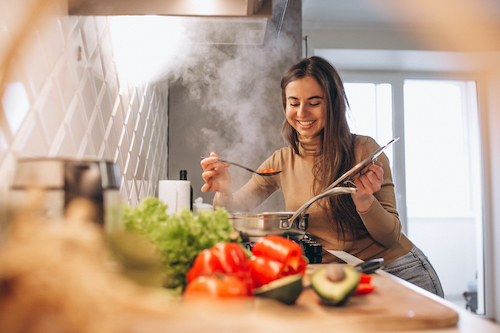
The way stainless steel is used can have an impact on health.
Cooking with stainless steelrequires some control of food cooking temperatures.
Be careful, high temperatures can cause your food to burn.
Follow our step-by-step method for searing meat. Once you have the technique, the stainless steel pan is easy to use for healthy eating, meat cooked in its own juice and vegetables to bite into without overcooking.
Regular maintenance of your stainless steel stovewill facilitate the cleaning and hygiene of your preparations on a daily basis. By gradually removing grease and dirty residues, you prevent food from sticking to the bottom of the pan.
It is recommended to salt your preparation once the liquid is hot in your container so that the salt or sodium chloride can quickly dissolve.Otherwise, if you pour the salt into cold water, the salt will settle on the bottom of the pot.
Sodium chloride does not mix well with stainless steel because it attacks the surface without being seen with the naked eye. These are micro cracks that can set up and deteriorate the material over time. However, don't worry, this does not have a direct impact on the migration of toxic components for your health.
When you start cooking, raise the temperature of the pan for a few minutes and immediately pour in the oil to avoid thermal shock between the support and the liquid.Be careful not to increase the temperature too much to prevent the oil from making toxic fumes.
Stainless steel does not require a lot of fat. You can easily cook healthy and fat-free.
Stainless steel: a material of excellence
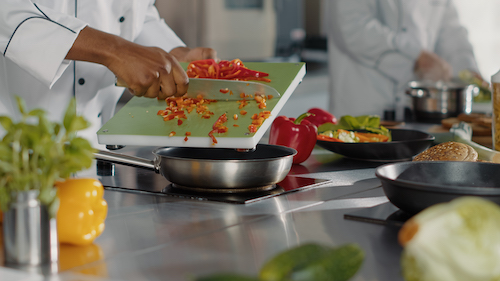
Stainless steel is used everywhere in the kitchen: cutlery, kitchen knives, salad bowls, salad bowls, salad bowls, ovenware, but also worktops, sinks, in household appliances or in the manufacture of coffee makers and pastry robots.
Stainless steel is one of the most used materials by catering professionals, in the food industry and in the catering industry.
This alloy is also found in hospital and medical environments.
Stainless steel is the main ally in terms of food safety and hygiene, in particular for its ease of disinfection and its sterile properties.
FAQ - Frequently asked questions
Can stainless steel rust?
Stainless steel, as its name suggests, does not oxidize unlike iron. Its alloy composition including chrome prevents it from rusting.
Do a simple test with water, if your container shows orange traces of rust in the presence of humidity then it is not stainless steel.
Can I use my stainless steel pan without putting on grease?
Yes, it is entirely possible to cook without fat with uncoated stainless steel. It requires a bit of technique and practice to master the temperature setting.
However, you can start cooking in stainless steel by rubbing the bottom of the pan with absorbent paper soaked in oil to avoid too much fat.
Is my non-stick stainless steel pan safe for health?
Coated stainless steel requires more care, especially at the location of the coating.
Be sure to use reasonable cooking temperatures and avoid setting the temperature to maximum heat. Take care of the coating using utensils that do not scratch, prefer a nylon brush for gentle cleaning.
Conclusion
The various steel materials such as stainless steel, aluminum or iron can leave us cold because of their composition and texture. However, stainless steel, if it is of high quality, goes very well in our contemporary kitchens.
It offers all the advantages to make healthy cooking without the risk of contamination.
Eating healthy and safe also means using your pan correctly with simple actions:
Choose the right cooking temperatures and maintain your equipment regularly. Just a little practice cooking with stainless steel and you will know no more secrets!
Comments on Is stainless steel good for your health? 5 criteria for choosing the right frying pan!