10 tips to prevent milk from curdling
by Karine LemoineDo you ever find yourself over a pot of milk, watching anxiously to make sure the milk doesn't start to curdle? Are you afraid that a single wrong move will cause the pot to overflow?
The milk presentamazing health benefits, but if not handled properly, it can quickly turn from a white, creamy liquid into an unbearable granular porridge.
So one wonders if this curdled milk is good for our health?
Curdling is a common occurrence when mixing milkwith liquids or acids, as proteins often react with acid. The result is a thickened, lumpy, partly liquid, partly solid mixture.
It is possible to prevent milk from curdling by understanding how chemical reactions work and by implementing a few simple tips.
In this article, we are going to seehow you can prevent milk from curdling and keep your milk nice and creamy for longer.
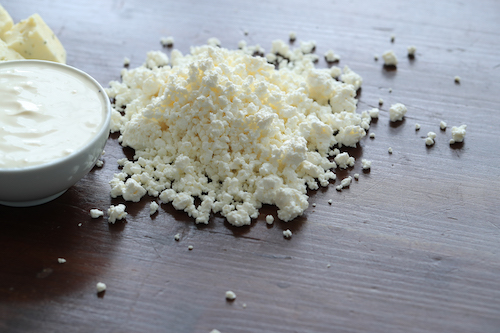
Sommaire
Is curdled milk good for your health?
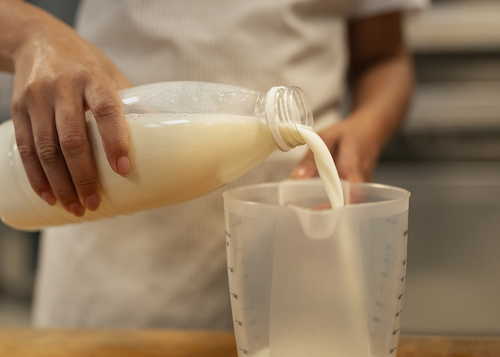 First of all, it should be noted that when we talk aboutCurd milk, it is not necessarily milk considered expired; no, it's not the same thing.
Expired milk is very toxic to the body, so it is unfit for consumption when it reaches the use-by date.
However, spoiled milk may visually show signs of curdled milk.
If you experience expired milk, the milk has a yellowish appearance and smells different from the milk that is usually consumed.
Curdling can then occur if the milk is old or has been exposed to bacteria.
You may suffer from food poisoning with digestion problems, severe abdominal pain, vomiting, nausea, and diarrhea.
Suppose you take a sip of curd without knowing it, there's nothing to worry about.
However, if you drink expired milk in large quantities, it can cause severe abdominal cramps.
In this case, do not hesitate to go to the emergency room at your nearest hospital to get treatment as soon as possible!
When we talk about curd in this article, it's quite different, let's take a closer look at the curd process.
What does curdled milk mean?
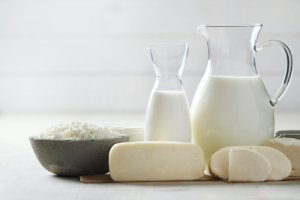 Curd is the result of a chemical reaction between an acid and milk proteins..
When these two components come into contact with each other, they forma thick, lumpy mixture, partly liquid and partly solid.
This reaction can occur when milk is mixed with acidic ingredients.like lemon juice or vinegar, or when heated too quickly.
The prolonged fermentation of milk degrades the actual texture of the milk.
As a result, the taste, quality, and consistency of milk decrease to give curdled milk.
When milk starts to coagulate, the taste changes and gives off an odor that is not necessarily pleasant for everyone.
The sweet taste of milk disappears naturally. It then develops a pronounced acidic or acidic taste.
The texture becomes a bit thicker and viscous.
Curd milk is used in the cheese-making process and can be transformed into a creamy or more or less firm paste depending on the ripening time.
Why does milk curdle when heated?
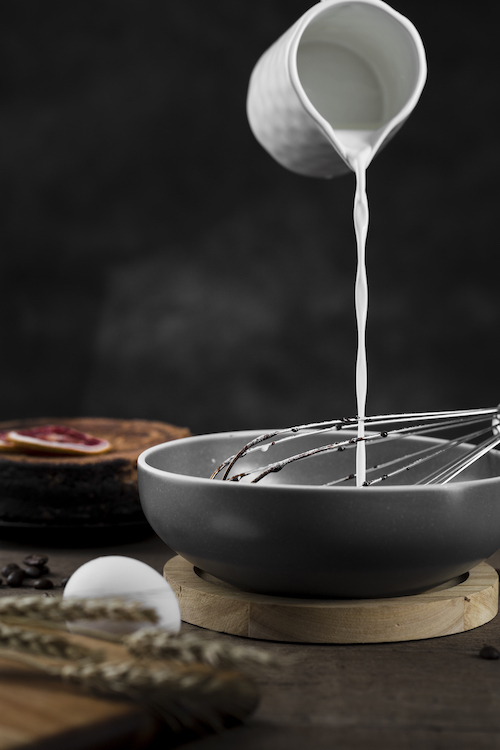 When you heat it up, the milk starts to clot due to the acid reaction.
Milk proteins saturate and curdle noticeably when heat is applied.
When we heat cold milk quickly over high heat, proteins tend to come out.
The charge of the protein molecules loses its stability and creates lumps. This is the process of milk coagulation when it is heated.
When preparing dishes with the dairy product, it is best to heat it over medium heat in order to maintain the balance of the molecules.
It is an easy way to eliminate milk coagulation.
What causes milk to curdle?
The science behindCurd is a mixture of water,Fatand proteins.
When we boil the milk, the above mixture breaks down.
Milk proteins turn into solid pieces and eliminate water.
Milk mainly contains water that contains a large amount of fats, sugars, proteins, and minerals. Under a microscopic view, you'll find tiny protein tassels.
When we add an electrical charge in the form of acidic ingredients like lemon or vinegar, proteins lose their stability. This process starts to curdle with the milk.
10 tips to prevent milk from curdling?
 This is one of the most common problems we face.
Sauces that contain milk usually curdle when boiled.
So here are some of the top tips you can try to keep milk from clotting.
1. Avoid boiling milk
When heating milk, it is important toUse low heatand to stir constantly. This prevents proteins from clumping and curdling.
If using a stovetop, make sure the heat is low andStir constantly. Same thing, if you want to make a milk-based sauce or soup in the best possible way, always heat the milk gently.
Using a medium to low heat is the best habit for cooking.
2. Use starch as a stabilizer
Starch is a common ingredient that many use to cook on a daily basis. Did you know that it also acts as a stabilizer?
Surprise! Yesyou can use flour or cornstarch to effectively stabilize your milk emulsionwhen you make your béchamel for example.
Starch helps to thicken milk and prevents proteins from clumping together.
It is one of the best techniques you can use to thicken your soups or sauces. Adding milk at the end is the best solution.
3. Avoid too much acid
It is common for most soup and sauce recipes to contain acidic ingredients. Mostly tomato, wine, or lemon juice.
Well,acids force the milk to curdle.So what to do next?
To reduce the acid effect, try adding starch to the acidic ingredients and balance your preparation by gradually pouring in your ingredients.
4. Add cold milk to your preparation
Adding cold milk directly to hot liquid destroys the texture of the milk.It also increases the risk of milk clotting. This allows you to rebalance your preparation.ion.
Don't worry, just reverse some parts of the process. Now you need to pour the hot liquid into the cold milk.
In the meantime, you can heat the milk and then mix it into the hot liquid.
It's the perfect seasoning process. First, heat the milk in a saucepan over low heat and mix it with hot liquid.
5. Use fat
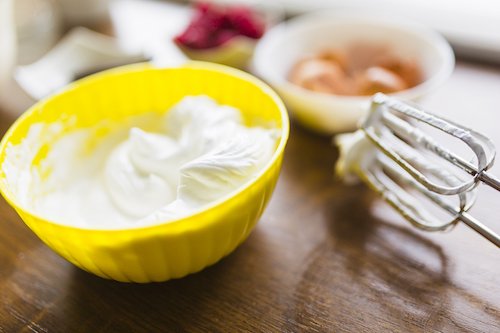 As we know, dairy products contain a greater amount of fat.
If you cook with heavy cream, whipped cream, or butter, this will eliminate the risk of curdling due to the higher fat content.
Most restaurants and snack bars use cream to make soups and sauces.
You can boil cream soups without curdling them.
It also offers a richer flavor and a better texture than creamier, creamier milk.
6. Use a water bath
A water bath is a great way to heat milk without it curdling. Indirect heat prevents milk from getting too hot and curdling.
7. Add emulsifier
An emulsifier, such aslecithin or xanthan gum, can be added to milk.
8. Use a non-reactive container
When heating milk, it is important to use a non-reactive saucepan, such asstainless steel or glass. Reactive pans, such as aluminum or copper, can cause milk proteins to react and curdle.
9. Add some salt
Adding a pinch of salt can help keep proteins from clumping and curdling.
10. Use a thermometer
Using a thermometer to monitor milk temperature can help prevent curdling.
The ideal temperature for milk is between 80 and 90 degrees.
Conclusion
 By following these tips, you can prevent milk from curdling and keep your milk nice and creamy.
Remember to use a low heat, add an acid or starch, use cold milk, add a stabilizer or fat, use a water bath, add an emulsifier, use a non-reactive saucepan, and add salt.
With these simple tips, you can enjoy creamy milk for longer.
Do not hesitate to leave a comment!
For more information and to receive our news, follow us on social networks!
Image source: freepik
Comments on 10 tips to prevent milk from curdling