Can you make Miso without Soybeans?
by Karine Lemoine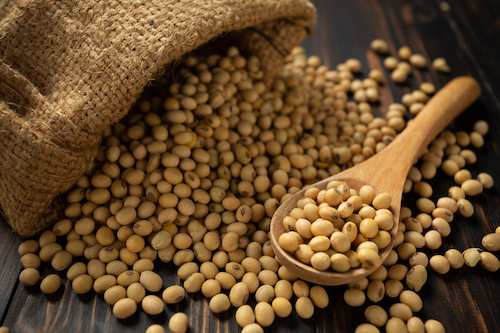
Can you make Miso without Soybeans? Everything you need to know about this superfood!
 Still very little used in Western cuisine, miso deserves to be known.
This type of fermented preparation is however not the only one to go through the ages since we are already used to consuming fermented products such as cheese, yogurt or sourdough bread.
There is a great variety of misos in the world just like the many cheeses in France. They are different depending on the ingredients used and the curing time.
Misos, made from soy, that can be easily found in stores are white miso and red miso.
Miso paste is not the only one fermented food based on soy, we also know tofu, natto, tamari, or tempeh
Are you wondering if you can change the ingredients and replace soybeans in miso? Well yes it is entirely possible!
Isn't soy your favorite ingredient in miso? You can totally replace with other legumes that will bring you just as many health benefits!
Our miso recipe base will be all the more useful for you to make your own miso according to your preference!
Discover how to make homemade miso, its health and culinary benefits to give you cooking inspiration!
What are the ingredients for making miso?
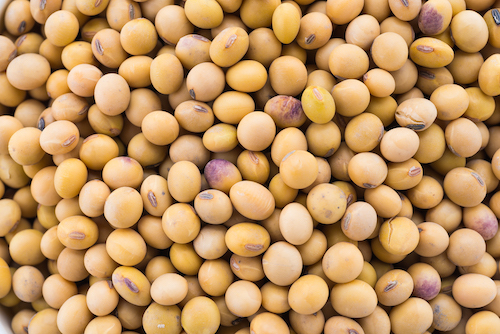 Miso is a fermented soybean paste, used for centuries in Japan.
The 3 main ingredients to make miso are koji (fermented rice), of salt And soybeans.
Traditional miso is prepared with soybeans but it can be prepared with other types of legumes such as white beans or chickpeas, which are more easily found in stores.
Legumes other than soybeans are very interesting to test because they will develop a very particular taste.
The benefits of making miso without soybeans are as follows:
- White beans or chickpeas are more easily found commercially.
- These legumes are much quicker to cook than soybeans.
Miso is the best ingredient for making good Ramen. He is Full of umami, which means that he has a rich and savory taste and that it can be used for enhance the other flavors of your dish.
How do you make miso paste?
Traditional miso is prepared in 2 steps:
- The first phase is that of the rice that we will ferment to get the koji.
- In a second step, the koji will continue to ferment with the soybeans to give Miso paste.
Most often, rice is used to make koji but it can also be prepared with koji barley.
The rice is steamed to obtain a sufficient level of humidity and then the rice is seeded by a fungus called aspergillus oryzae. This same mushroom is found in cheeses such as Camembert or Roquefort.
Fermentation requires a bit of patience because rice needs to ferment for a few days. However, You can buy koji ready to make miso at home.
Koji rice is sold dehydrated packaged in bags and it can be found in organic stores or Japanese stores.
So, we are going to present you with the simplified version of homemade miso paste.
The ingredients:
- 250 g dehydrated koji rice
- 150 g of soybeans (or other legumes)
- 70 g salt
- A little bit of water
The steps to follow:
- Start by washing the soybeans 2 or 3 times until clear water is obtained. Cover the soybeans with water and let them sit overnight.
- The next day, cook the soybeans in a stewpot and then cover 3 times the volume of the soybeans by volume with water. Heat over medium heat for a good 3 hours. You can also steam soybeans to save time.
- You get a seed that has come free of its shell, you can now pass the seeds through a sieve or vegetable press to crush them and remove the film that envelops the seed.
- Place the koji rice in a bowl and mix it evenly with the salt.
- Then add the soy purée to the mixture, add a little water and mix everything together to form a homogeneous paste.
- Place the miso paste made in an airtight container, tamping the paste well to remove the air. Cover the dough with plastic film to make it stick to the dough and trap it from the air. If your box is too big and there is some space left, you can put a weight on and then close the lid.
Leave the container at room temperature for a few weeks then After 3 months, you get the miso paste ready to be enjoyed.
The dose of salt is quite high, however it is essential for the preservation of miso.
What is white miso made of?
Miso paste comes in 2 ways:
- white miso, it has the texture and color almost identical to peanut butter,
- Or red miso which tends to a dark brownish color.
White miso Also called Shiro Miso consists of the same ingredients as traditional miso.
The maturation time of miso will give the yellowish color of white miso if it has fermented for only a few weeks while red miso will have fermented at least 1 year minimum up to 3 years.
We will thus obtain misos with very different tastes over time.
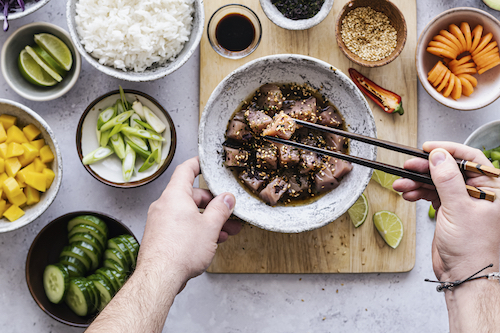 White miso is quite sweet and mild., it can be used in recipes for spicy dishes and desserts but also in sauces, meat marinades, vegetable purée.
Red miso, on the other hand, has a more pronounced taste and is well salted.. It is A condiment that substitutes salt, it will give the umami taste to meat stir-fries or soups by adding an Asian touch.
Is miso good for your health?

Nutritionally, miso is a food condiment very rich in proteins, essential acids, vitamins B and K but also in omega 3.
It is a superfood of choice, especially for vegetarians and vegans. and which makes it possible to overcome the most common deficiencies.
Its vitamins and amino acids are in fact not present in plants. It is very suitable for egg-free and lactose-free diets.
As a fermented food, it contains probiotics that help keep the gut healthy and aid digestion.
Rice and fermented soybeans have anti-oxidant properties.
The consumption of miso contributes to the protection of us from the formation of free radicals.
Miso allows you toease menopausal symptoms thanks to its isoflavones.
The soy contained in miso prevents cardiovascular risks.
However, soy has been controversial for years regarding its harmful effects associated with breast cancer. To date, there are no significant studies showing the health effects of soy.
However, The National Agency for Food Safety (ANSES) recommends not to exceed 1 mg of isoflavone per kilo of body weight per day. This means that a person weighing 60 kg should not ingest more than 60 mg of isoflavones per day, knowing that 100 g of foods derived from soy such as tofu or other soy preparations provide between 10 and 30 mg.
Miso paste should be consumed in moderation.
How do you make miso paste liquid?
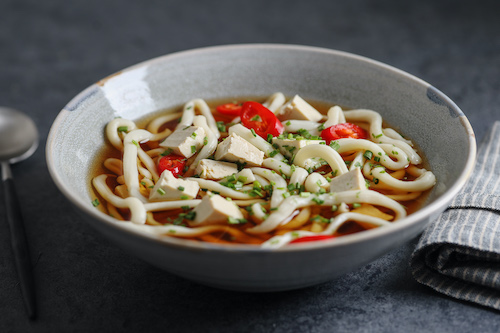 All you have to do is Dissolve a tablespoon in liquid for the preparation of your sauces or soups. This makes it easier for the dough to be integrated into the mixture.
Miso paste is a fairly salty condiment so be careful even if it is an ingredient full of benefits, It can be enjoyed in small doses and as a substitute for salt.!
What temperature can kill the benefits of miso?
Miso is a living food and like all yeasts passed beyond a temperature of 40°, it loses its nutritional qualities.
We recommend that youAdd miso at the end of cooking when making soups.
Can I lose weight with miso soup?
You certainly won't lose weight by consuming miso. However, miso contributes to providing umami, a pronounced taste and a particular flavor in your dishes.
It is a good slimming ally for developing recipes that are low in calories but without neglecting the taste on your plate.
It is a superfood rich in proteins, vitamins and aiding digestion as a result, it can contribute to your weight loss process.
How long does miso keep?
Miso can be stored indefinitely in the refrigerator if you do not intend to use it in the following days.
It is always better to adapt the quantities you prepare to your consumption and to remake a new miso paste if necessary so that it maintains its taste.
Recipe Light White Miso Sauce
The ingredients:
- 1 yogurt
- 2 tsp of mustard
- 2 tbsp sesame oil
- 2 tbsp white miso
- 2 tbsp mirin (Japanese seasoning)
Achievement:
- Start by diluting the white miso with mirin and sesame oil, then add the rest of the ingredients.
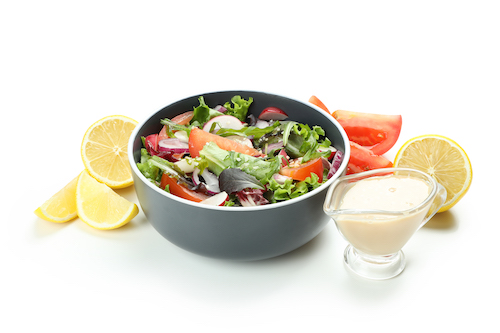
- This creamy sauce can very well be served with dips as an aperitif, spread on a sandwich or complete the seasoning of a salad.
Conclusion
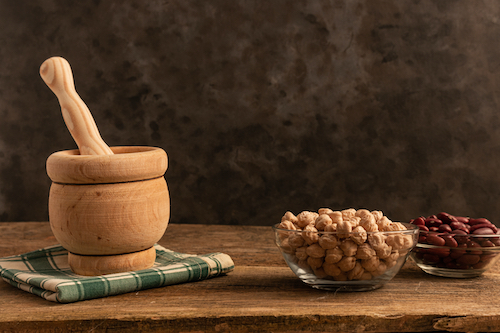 When you make it yourself, miso tastes better and you can change its composition by replacing soybeans with other legumes.
Miso is one of those foods that you love or hate. It can have a strong, pronounced taste indeed, but if you prepare A miso fermented for 3 weeks, you will get a sweet, salty taste that is better appreciated.
It can be used in many ways to enhance your dishes, just leave room for your imagination.
In a few minutes, you can make Miso soup with the ingredients of your choice and an exquisite umami flavor. Do not hesitate any longer!
Do not hesitate to leave a comment!
For more information and to receive our news, follow us on social networks!
Image source: freepik
Comments on Can you make Miso without Soybeans?